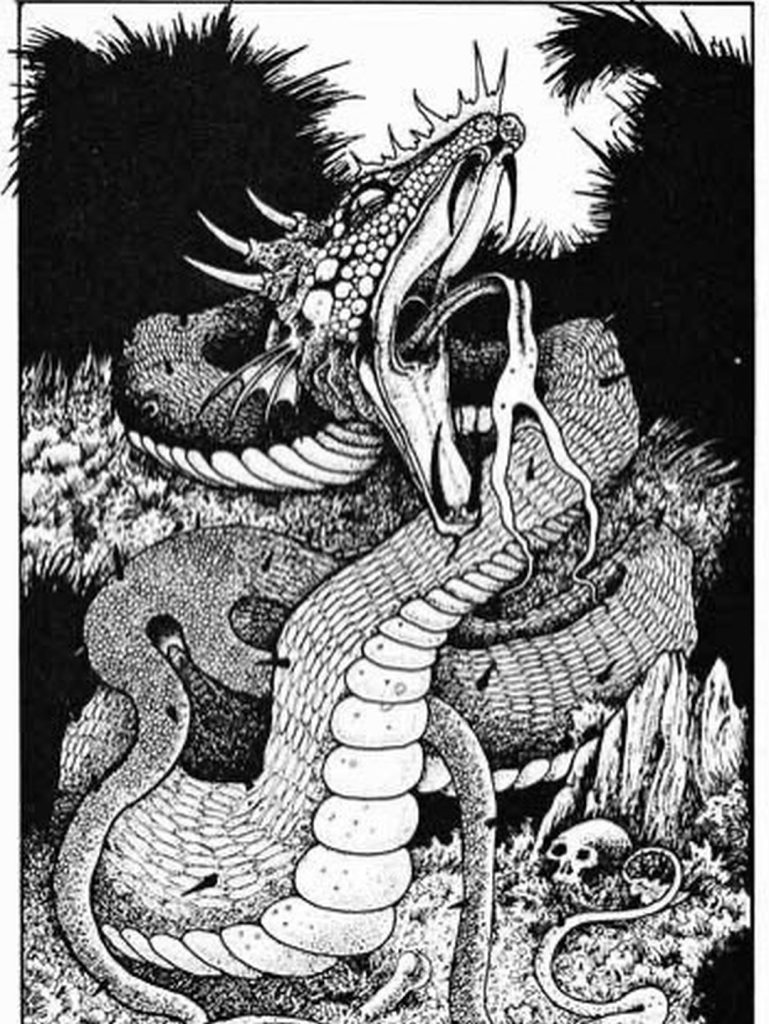

Warhammer, Dungeons & Dragons and Fighting Fantasy artist John Blanche defined the grimdark
If you like your wargaming down and dirty, you can thank one man for that bleak vision: John Blanche. The tabletop gaming world is mourning the loss of legendary illustrator and art director, whose distinctive artwork helped shape the visual identity of Warhammer and influenced generations of gamers, miniature painters and fantasy artists.
Blanche died on June 1, 2026, at the age of 77. News of his passing was shared by longtime friend and collaborator Trish Carden on behalf of his wife, Lin, prompting an outpouring of tributes from across the tabletop industry and wider fantasy art community.
While many artists contribute to the success of a game, few become inseparable from it. For Warhammer fans, Blanche’s illustrations were not merely artwork accompanying the setting – they were the setting. His grim, gothic and often unsettling imagery established the visual language that would become synonymous with Warhammer Fantasy Battle and Warhammer 40,000 for decades to come.
Born in 1948, Blanche began building a career as a fantasy illustrator during the 1970s. His relationship with Games Workshop started in 1977, when he created artwork for White Dwarf magazine and helped illustrate the company’s early publications, including the first British edition of Dungeons & Dragons. Over the following years, he became one of the company’s most important creative voices.
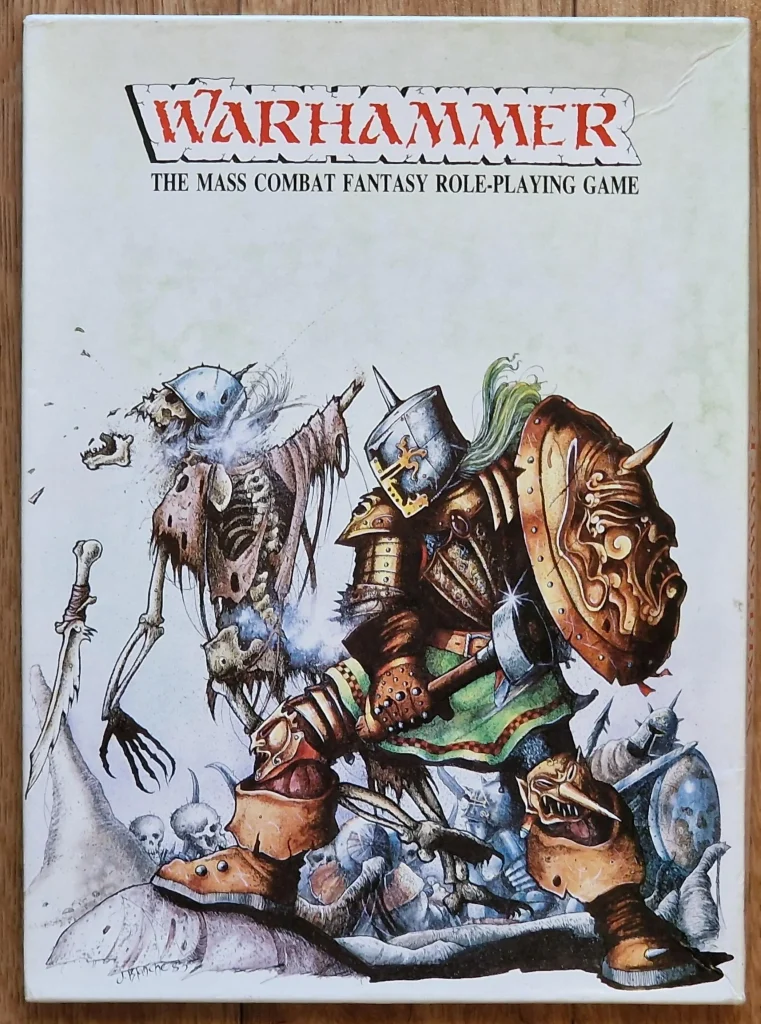
His influence expanded dramatically with the launch of Warhammer Fantasy Battle in 1983. Blanche provided the cover artwork for the game’s first edition and soon became central to the development of Games Workshop‘s growing catalogue of worlds and miniatures. Following the company’s move to Nottingham during the 1980s, he rose to become art director, overseeing internal artists, commissioning freelance illustrators and helping shape the appearance of Citadel Miniatures.
Although his name became most closely associated with Warhammer 40,000, Blanche’s influence stretched far beyond a single game. His artwork appeared throughout Fighting Fantasy books, White Dwarf magazine, roleplaying games and miniature wargames. Yet it was his vision of a decaying far-future Imperium – filled with religious iconography, towering cathedrals, skulls, relics and impossible machinery – that cemented his reputation as one of gaming’s most influential artists.
The aesthetic often described today as “grimdark” owes much of its popularity to Blanche’s work. His illustrations presented a universe that felt ancient, oppressive and steeped in superstition. Rather than depicting sleek science fiction heroes, he imagined worlds burdened by history and conflict. The result was a visual style that distinguished Warhammer 40,000 from every other science-fiction setting and remains hugely influential more than 40 years later.
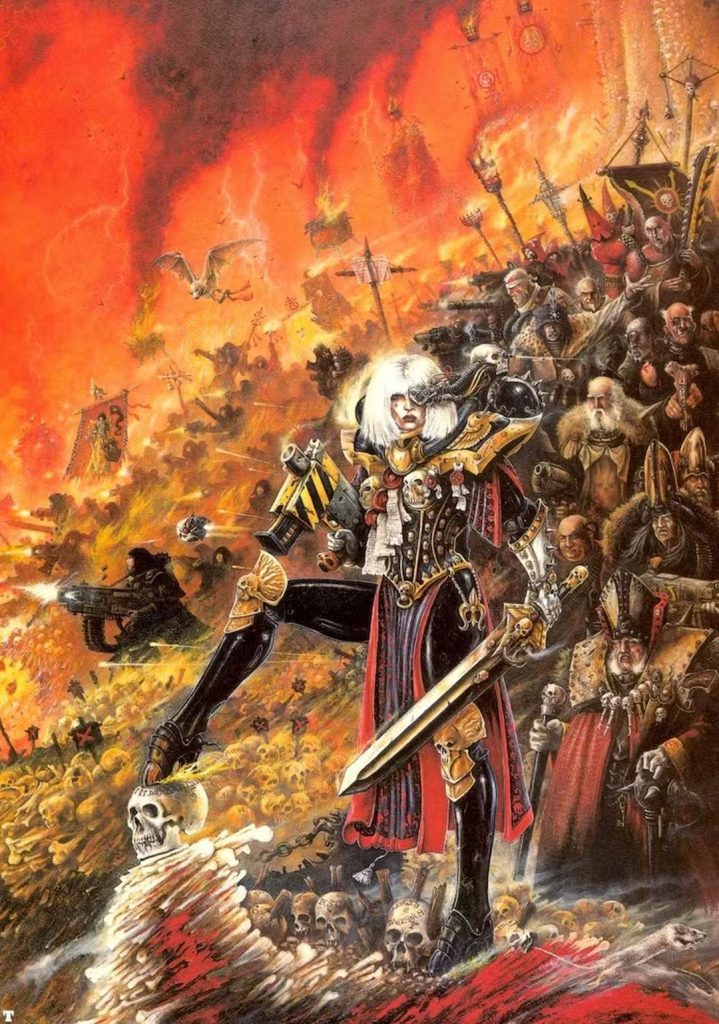
His impact was not limited to printed artwork. Blanche’s ideas informed miniature design, world-building and hobby culture itself. Painters and hobbyists even coined the term “Blanchitsu” to describe a style inspired by his muted colours, weathered finishes and storytelling approach to miniatures.
After spending more than four decades with Games Workshop, Blanche retired in 2023. Retirement did not end his creative output, however. He continued collaborating on miniature projects, licensed hobby paint ranges inspired by his artistic style and remained active within the tabletop gaming community.
Tributes following his death have highlighted not only his artistic achievements but also his generosity as a mentor and friend. Colleagues remembered him as an inspirational figure whose imagination helped define an era of gaming. Fans, meanwhile, have reflected on the countless rulebooks, miniatures and worlds brought to life through his distinctive vision.
Few creators leave such a lasting imprint on an entire hobby. For millions of players, the worlds of Warhammer look the way they do because John Blanche imagined them first. His artwork transformed tabletop gaming’s visual landscape and established a legacy that will continue to inspire artists, gamers and hobbyists for generations to come.
Warhammer Fantasy Battle (1983)
The first edition of Warhammer Fantasy Battle featured Blanche’s iconic cover artwork and marked the beginning of his decades-long association with Games Workshop. His illustrations helped establish the game’s distinctive blend of dark fantasy, medieval warfare and grotesque horror, influencing the appearance of the setting long before miniatures reached the tabletop.
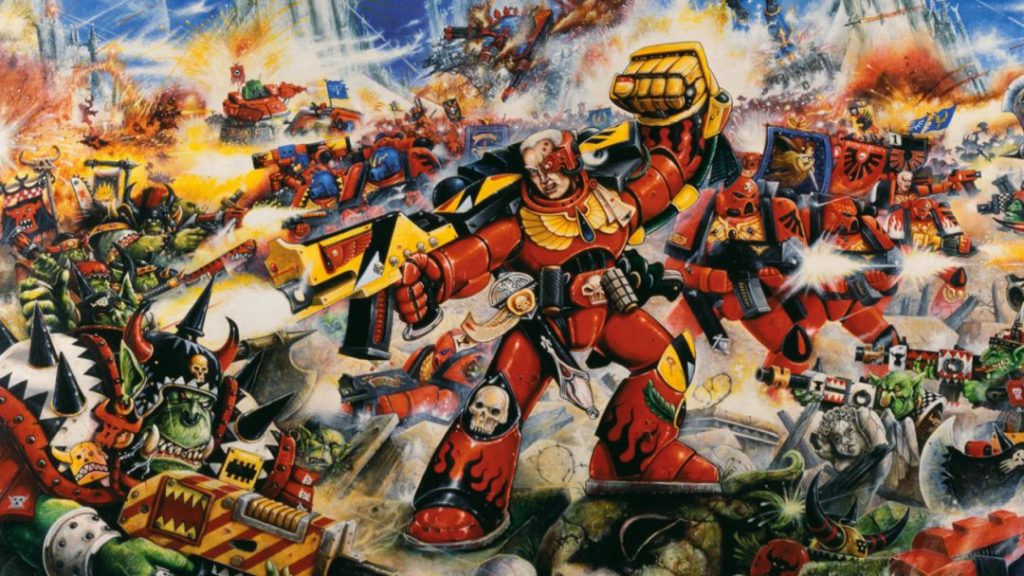
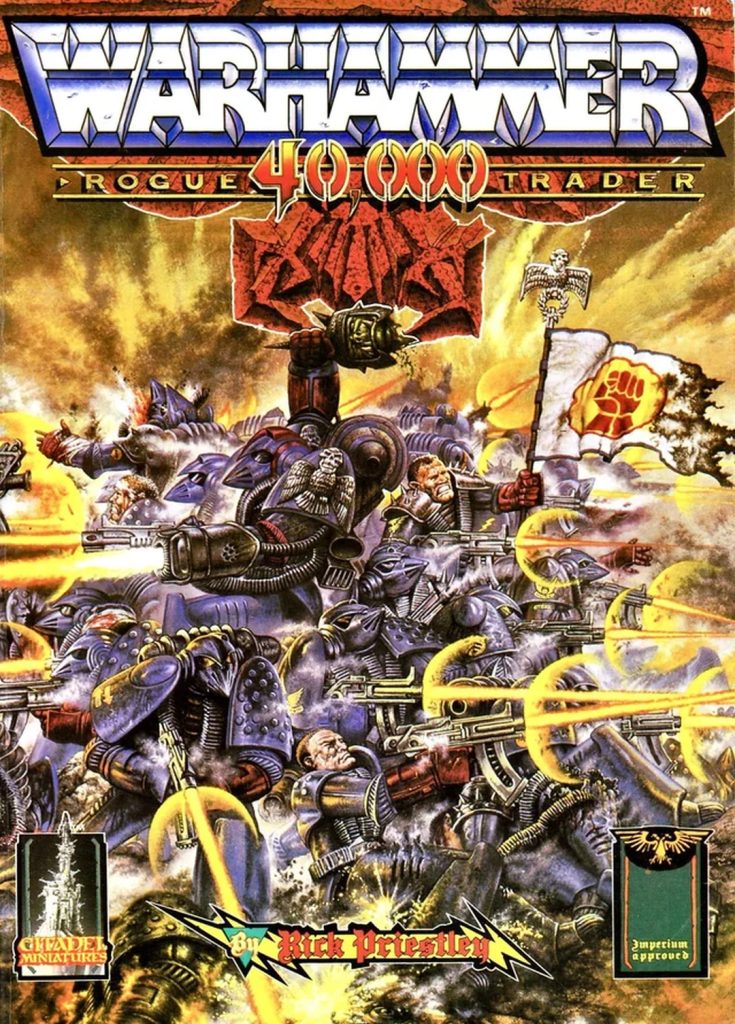
Warhammer 40,000: Rogue Trader (1987)
The original edition of Warhammer 40,000 introduced players to a bleak, gothic future unlike any other science-fiction universe. Blanche’s artwork defined the Imperium’s cathedrals, skull-strewn battlefields and religious iconography, creating the visual foundations of the grimdark aesthetic that still defines the game today.
Fighting Fantasy: Sorcery! (1983)
Although best known for Warhammer, Blanche’s illustrations throughout Steve Jackson’s Sorcery! gamebook series left a lasting impression on fantasy gaming fans. His bizarre creatures, strange landscapes and evocative black-and-white artwork brought the adventure books to life and inspired countless readers.