

Board games might be described as “heavy” or “light”, but they’re not referring to the physical mass, but rather the kind of game they are. We delve into what the weight of a game has to do with the game you’re playing.
Written by Emma Garrett
Getting a shared language in board gaming is tough, but important. I’m not sure which is worse, agreeing to attend a games night expecting to play Monikers and finding everyone playing Brass: Birmingham or the other way round.
A good first clue to weight is the rulebook. Generally, a heavier game will literally have a heavier rulebook. More pages to explain more things. During your first play through even of a medium-weight game, you’re likely to need to follow the rulebook. If you’ve played once before, you can probably explain a lightweight game to new players without needing to take the rules out of the box. Party games will usually fall into the lightest category, as they’ll be the easiest to bring to a table and teach to a new group.
Lightweight games don’t have to be party games; they can include strategy as well, but they tend to only ask you to do one thing, often something that comes almost naturally, like laying tiles, matching something, or picking a clue for other players. Heavy games will have actions and mechanics that need to be explained. On your turn, you have the option to do A, B and C. In order to win, you need to balance your standing on these tracks with how many coins you collect and the cards in your hand. Heavier games will usually take longer and might include more periods of silence, while players are considering their strategy and what move they will take on their turn.
The online tabletop gaming oracle, Board Game Geek (BGG), uses a weighting scale of 1-5. Games rated 1 are light, 5 are heavy. The disagreements on weight are wild, and due mostly to perspective. I think it would be agreed by most players when comparing two games that the heavier is heavier than the lighter, but whether you call that game medium-light or heavy would depend on the other games you are familiar with.
Ultimately, the weight scale in gaming feels like the chilli system in Indian restaurants. Inconsistent, but a good indicator that some people choose to live and die by, refusing to eat anything with even a single chilli, or only holding their head high if they order the item with the most chillis.
So Clover!
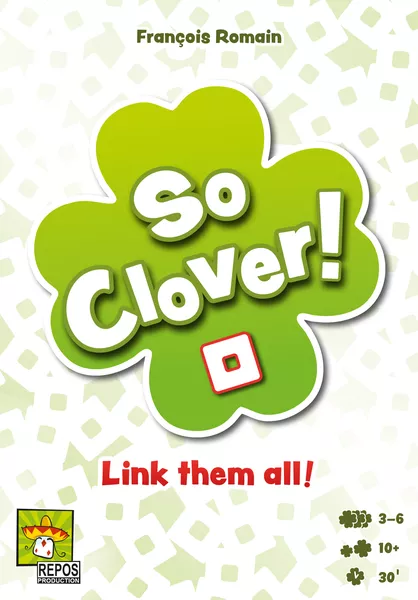
A lightweight game, that’s a good example of difficulty and weight differing. It’s easy to learn and doesn’t need a heavy rulebook but boy does it tax your brain. It’s not “easy” to think of the right words to use to clue in your team. But it is simple. It is only asking you to do one thing in order to win, and that thing uses what’s already in your mind.

Whilst I’m sure many may disagree, Castles of Burgundy feels like a solid medium weight game. It takes a little while to learn, and longer to understand how to play well. There are tough choices each turn and strategies to consider. There is a dice roll, but it leads into the strategy and can be mitigated in many ways. A popular option when you’re looking to step up the weight of your gaming.

One of the heaviest weighted games listed on BGG. It’s a good deal more weighty than any games I’ve yet played. Pictures show a multitude of tokens, dozens of things that need managing and contemplating, and a sprawling board of tracks, tokens and cards. The rulebook is weighty and it’s likely to take a while to complete a game. You’ll need a dedicated group to get it to the table enough to learn to play well.