

Why do games go out of print? From licenses to cost to demand, a lot goes into every reprinting decision
Written by Chris Marling
There are few things more frustrating in our hobby than being introduced to a new game, loving it, and then finding it’s out of print. If you’re lucky, and it wasn’t a massive hit, you may be able to find it in the secondary market. But at the other end of the scale, you’ll find what the hobby calls Grail Games, ones you spend your whole time searching for, that have disappeared, despite being loved, seemingly never to return. So why do games go out of print?
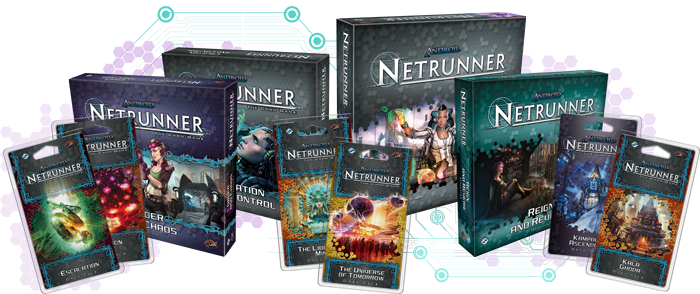
The story behind most games going out of print is simply lack of demand. Small publishers often consist of a few people working from home, so holding large amounts of stock is a risk and an extra cost their small margins can’t cover. Each box gathering dust in a warehouse is dead money, and small publishers need cash flow to cover the costs of their next endeavour. It simply doesn’t work for them to sit on stock.
Kickstarter publishers are particularly vulnerable. Many set up with little to no capital, relying on backers to fund a project before moving on to the next. Reprints can be worked into this model, especially if the publisher has a defining theme. This can be anything from art style to game type, as long as it allows them to tag on reprints to later Kickstarter projects as part of deals. Otherwise, there simply isn’t the capital to cover it.
The ‘new’ factor is also a massive part of how publishers market themselves. Taking and selling a new game at Essen Spiel, UK Games Expo, or GenCon is essential for covering potentially massive booth costs and other show overheads. Cons can make or break games as the buzz circulates before and during. So, on a tight budget, the risk of churning out a new game each year makes more sense than risking a dead convention stand and piles of slow-shifting ‘old’ product.
Larger publishers face similar issues, just scaled up, needing a higher turnover of games to trigger their algorithms to print more copies. This generally results in a small core range of evergreen titles being supported by a constant conveyor belt of new titles to fuel publicity interest in their brand, just like the smaller publishers. A larger company incurs more overheads, from staffing to rents, so while the margins and scaling may be a little different, the results for game buyers are largely the same.
While it would be lovely to have all games available at all times, smaller print runs also mean higher costs per unit. Prices alter significantly as you increase the number of units ordered, so, unless a game is a massive hit, you’ll often be producing fewer copies (at a higher price) in later runs. As a fictional (but realistic) example, if something costs £12 per unit to make 1,000 of, it may be as little as £8 per unit to make 10,000 of them. You don’t need to be a mathematician to see how this affects cost, and/or profit, per unit. Some of this cost will be offset by avoiding setup and moulding costs (as these will already be available from earlier print runs), but you’ll still likely be making less money per unit.

One way around this is the classic P500 run by GMT Games. You give your card details to them for a back catalogue game you want to be republished, and when it hits 500 copies ordered, they’ll charge everyone and print it. However, GMT’s games tend to be quite basic in terms of production values (not a criticism), and their initial print runs also tend to be small, so the pricing isn’t going to alter much on these smaller runs; something even slightly larger publishers with more flamboyant components would fail to mimic successfully.
While cost, risk and demand cover the majority of out-of-print titles, I’m sure we all have a few ‘Grail Games’ on our lists we’d love to see back in print, and that we know thousands of other players want to. There’s demand, so low risk, so what’s the deal?
The stories behind most grail games lying dormant are boring ones of licensing, contract disputes, and intellectual properties. Having experienced this myself (we’re currently in the process of bringing Pioneer Days back from the dead), I can attest to this often being an amicable if time-consuming process.

Our original publisher, Tasty Minstrel Games, went bust. Despite TMG giving us back the rights to publish from our original contract without any fuss, we still had to find a new publisher willing to go through the many processes of taking it forward from there. Can we use the same manufacturer? Is the artist on board? If there are issues with either, how can we perhaps expand/change the game while still making it compatible with the original? It takes a patient and dedicated publisher to take all this on.
It can also be a bitter or other unresolved issue that leads to games staying dead. If an artist or previous publisher won’t agree to their work being used for a reprint, or if they/their estate can’t be contacted to resolve it, the publisher has a quandary. Suddenly, a simple and likely profitable reprint has taken on large new costs (art, moulding, production layout, etc).
Another common issue is studio licensing. Whether you gain a license for Star Wars or a much smaller brand, the agreement will have clauses that can lead to the license ending. Deals often last for a set time, and if this can’t be negotiated and extended, there goes your right to make and sell more copies. Sure, you can retheme the game and go again. But how much faith do you have in demand once you take Boba Fett or Gandalf off the box cover?
If you’re a bigger publisher, you may have the potential to pivot. A good example is Fantasy Flight Games switching its popular co-op/traitor board game Battlestar Galactica: The Board Game to its Arkham Horror license. The game has had a deserved new lease of life as Unfathomable, with FFG even being cheeky enough to name the ship the SS Atlantica. But most publishers don’t have the luxury of solid backup licenses to fall back on.

And let’s not forget the designers and intellectual property rights issues. Designers such as Reina Knizia and Alan Moon make a good living from selling games via multiple publishers, but are unlikely to do so by scrimping on legal fees. Some publishers are less reliable than others, in everything from paying to efficiently producing a product. Designers (or their estates) are well within their rights to withdraw from a contract if the publisher is in breach, or if it runs its term. But if art, licensing, or other elements are on different contracts, this again can complicate a reprint from another publisher.

In the end, behind most of those beautifully crafted board games on your shelf is a small business frantically kicking against a tide of rising costs, growing competition, and tightening margins. Having watched much of this play out at the pointy end, waiting at shows hours before they open and still waiting for the lorry with your game on it to arrive, it’s a small wonder we get any games at all, grail or otherwise.